
Air cushion drying: just the wet area, not the whole room.
A leak has soaked the bottom of a wall or a strip of floor? Then there is no need to dry the whole room. We cover the wet area with sheeting and blow dry air beneath it. It flows straight along the material that got wet, even in a cold cellar.
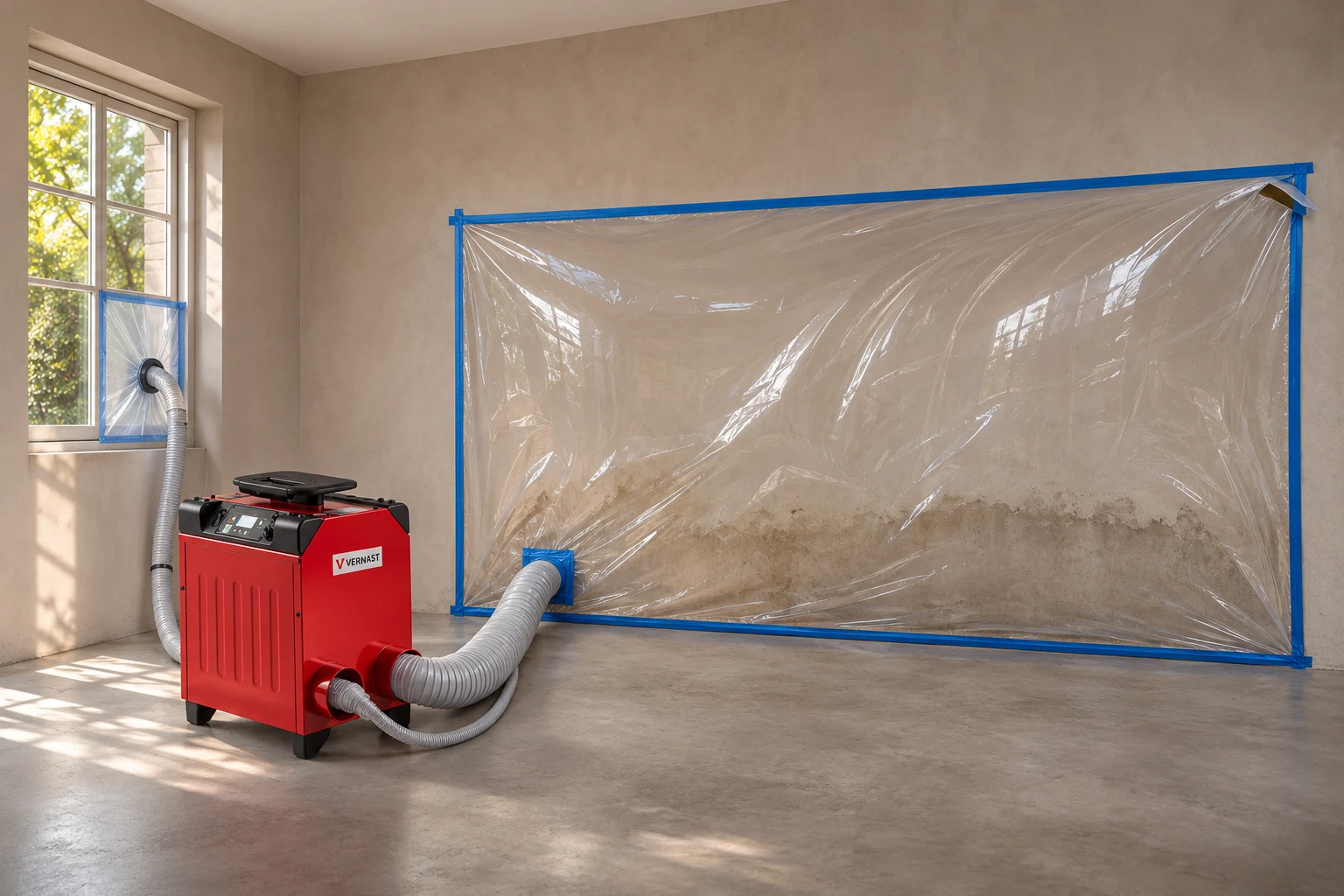
A small drying channel along the damage.
Sheeting forms an enclosed zone against the wall or on the floor. A desiccant dehumidifier blows dry air into it through a duct. The air picks up moisture at the surface and leaves the zone at the other side, through an outlet opening.
Slight positive pressure makes the plastic billow: the air cushion that gives the technique its name. The cushion itself does nothing; what matters is the continuous flow along the material. That is why there is always an opening. Fully sealed sheeting would stop the flow.
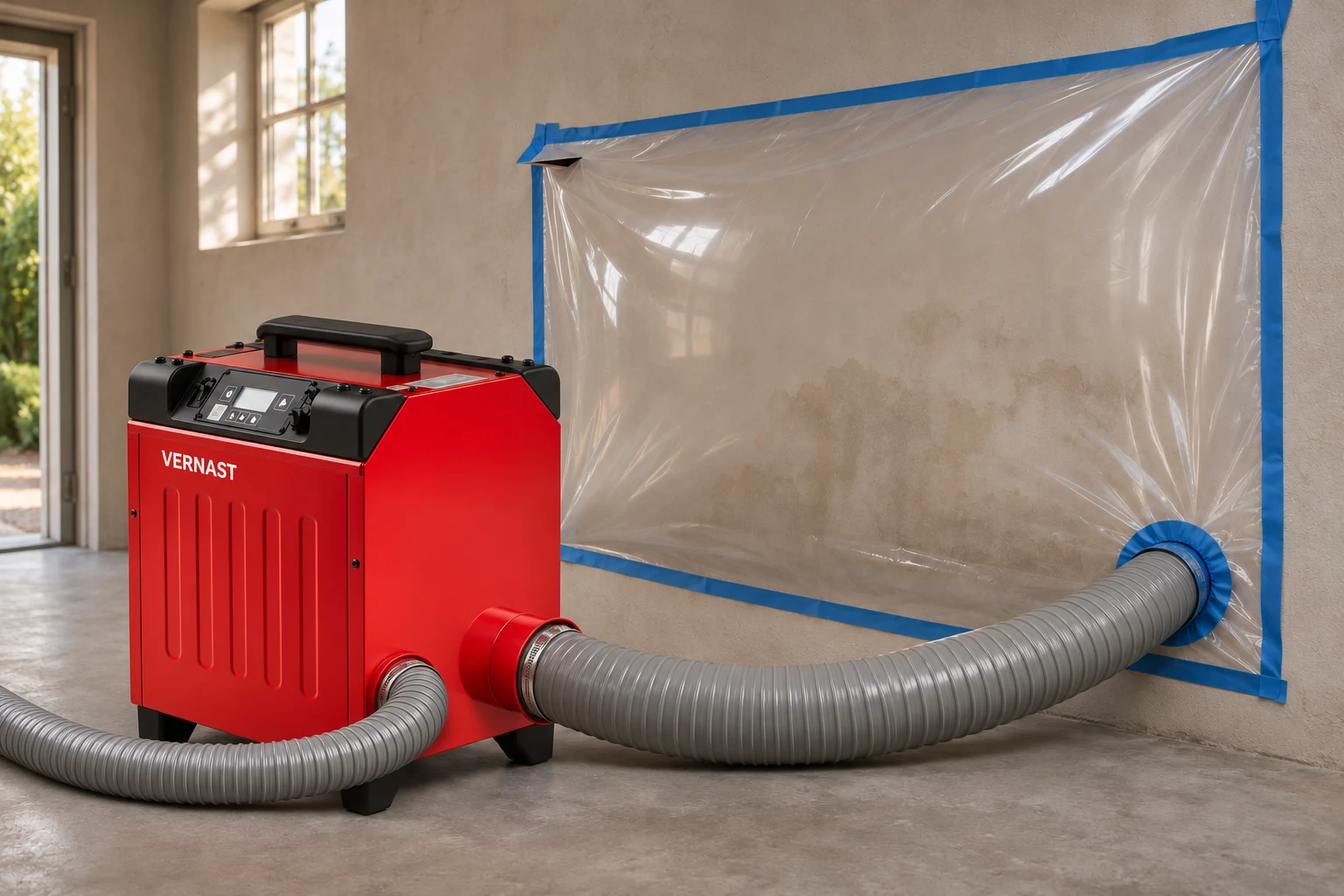
Inlet and outlet: air flows along the wet surface and leaves the enclosed zone through an opening.
Why not simply dry the whole room?
With localised damage, the moisture sits in one wall or one strip of floor, not in the room. A dehumidifier in the room first dries the air, and only through that air the material. Beneath sheeting, we skip that detour.
Drying happens at the surface
A wet wall releases its moisture into the air right next to it. In a room, a thin layer of humid, almost still air clings there, and a dehumidifier in the middle of the room reaches it only slowly. Beneath sheeting, dry air flows straight along the wall and carries that layer away continuously.
The drier the air, the faster
Moisture moves from wet to dry, and the bigger that difference, the faster it moves. A desiccant dehumidifier delivers air that is far drier than a room reaches with a condensing dehumidifier. Beneath the sheeting, that air reaches the wet material undiluted, instead of first mixing into the whole room.
A fraction of the air
Drying the room means drying all the air that comes in through doors, gaps and the rest of the house as well. Beneath sheeting, the unit only dries the small stream passing through the cushion. The work goes where the moisture is.
In a cold room too
A condensing dehumidifier loses much of its output below roughly 15 °C; the room has to be heated first. Desiccant drying uses a moisture-absorbing material and keeps drying in an unheated cellar, garage or storeroom.
Healthy materials are left alone
Weeks of very dry air in a whole room also dries out what was not wet: parquet, wooden doors, furniture. With a targeted setup, the rest of the room keeps a normal humidity.
The room stays usable
No unit taking over a living room day and night, no door that has to stay shut. The sheeting sits against the wet wall or on the wet strip of floor; you can use the rest of the room as normal.
Local damage, local drying.
Sheeting does not replace a dehumidifier. It pays off when the moisture is confined to one area. If the whole room is wet, you dry the room. Often the two go together: a dehumidifier for the room, sheeting for the wettest spot.
Air cushion beneath sheeting
- A locally wet wall or strip of floor
- The leak is repaired and standing water removed
- The rest of the room needs to stay usable
- Also in an unheated cellar or garage
Dehumidifier in the room
- A completely wet room or several walls
- A lot of moisture in the air, after a flood for example
- A heated room, around 15 to 25 °C
- Together with fans blowing across the floor
For a wall or part of a floor.
Dry air has to be able to reach the wet area. That is why we assess the finish and the build-up before the sheeting goes on.
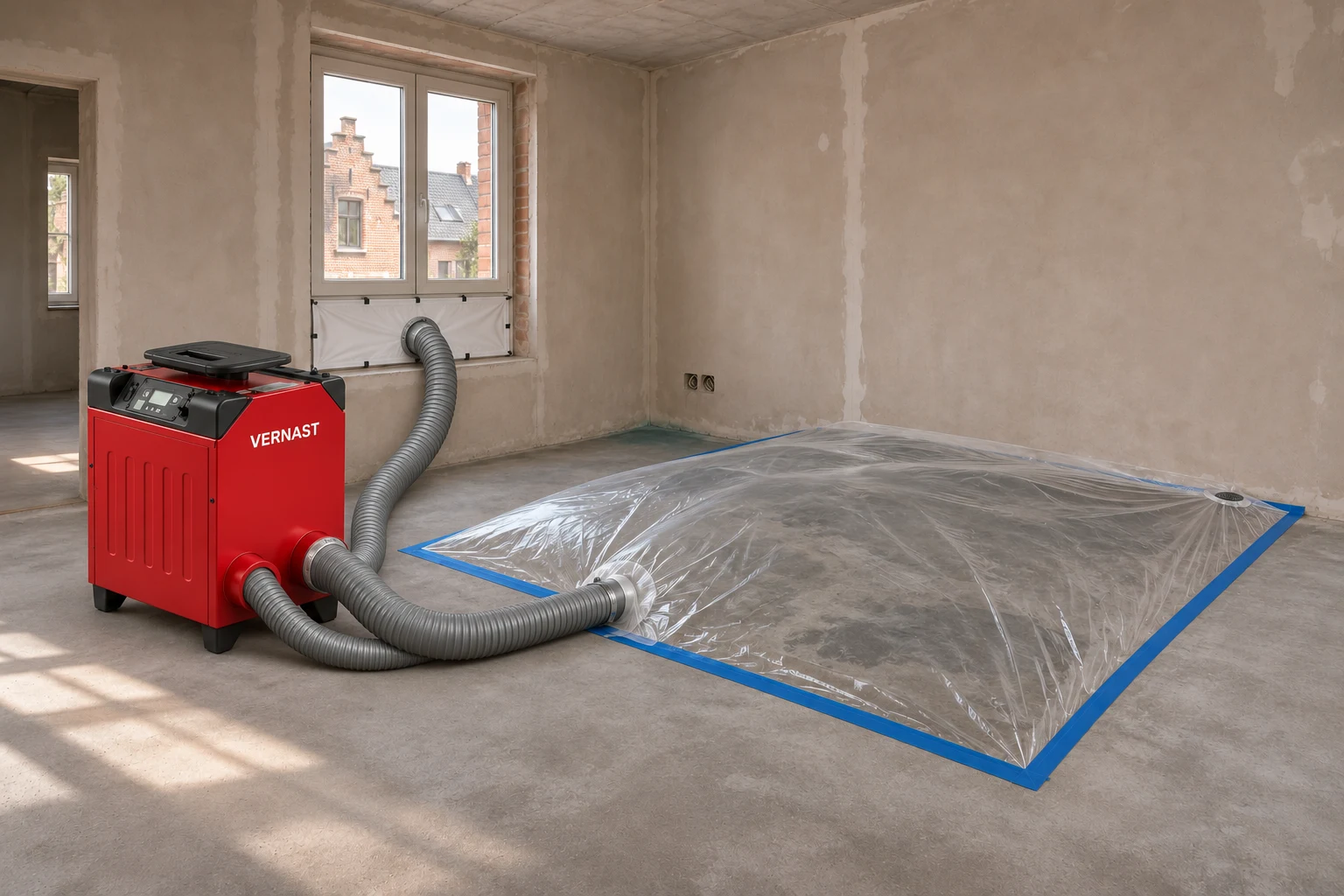
When it is suitable
For a localised, accessible wet surface after a repaired leak. Think of the bottom metre of plaster on an internal wall or a defined part of a screed floor.
When we look further first
For water beneath the floor, in insulation or behind a closed wall: a dry surface then says little about the layers behind it. Parquet or wallpaper also need adjusted control.
Illustrative example setups. Connections, airflow and sheeting attachment are matched to the equipment and the material.
Measure, dry where it matters, measure again.
An air cushion is quick to set up. What makes the difference is what comes before and after: knowing where the moisture is, and being able to show it has gone.
Leak repaired, water removed
Drying only makes sense once the cause is fixed. Standing water and soaked material that cannot be saved go first.
Initial reading
We measure where the moisture is and how deep. That decides whether sheeting is enough, and it is the baseline we measure the drying against later.
Fitting sheeting and ducts
We enclose the wet area, connect the dry-air duct and leave an outlet opening so the air keeps flowing.
Moist air outside
A desiccant dehumidifier also releases moist regeneration air. It gets its own duct to the outside, otherwise the moisture simply comes back into the room.
Monitoring and adjusting
We track moisture in the material. If one part dries more slowly, we adjust the setup instead of waiting longer.
Final reading and handover
The sheeting only comes off when the reading in the material is right. A surface that feels dry or tight sheeting is not a final reading.
Questions about air cushion drying.
Is your question not listed?
Our drying experts will help you straight away, with advice tailored to your situation.
We enclose a wet wall or floor with sheeting. A desiccant dehumidifier supplies dry air through a duct. The sheeting billows slightly and the air flows along the surface to an outlet opening.
With localised damage, the moisture sits in one wall or strip of floor. A dehumidifier in the room first dries all the air, and only through that air the material. Beneath sheeting, dry air flows straight along the wet spot, even in a cold room, and the rest of the room stays usable. If the whole room is wet, a dehumidifier in the room is the right choice.
Air needs to flow through and carry away the moisture it picks up. The enclosure therefore has an inlet and an outlet. The opening size depends on the airflow and setup.
Sheeting above a floor does not prove that the insulation below is drying. If water has entered enclosed layers, we assess their construction and select a suitable method, with additional equipment where needed.
It depends on the material, thickness, moisture content and accessibility. We monitor progress with moisture measurements. Inflated sheeting or a surface that feels dry is not a final moisture assessment.
Send us a photo of the wet spot.
From a photo and the dimensions we can often already tell whether sheeting is enough or the whole room needs drying. That way there is no unit too many, and none too few.

Water damage we dried before.
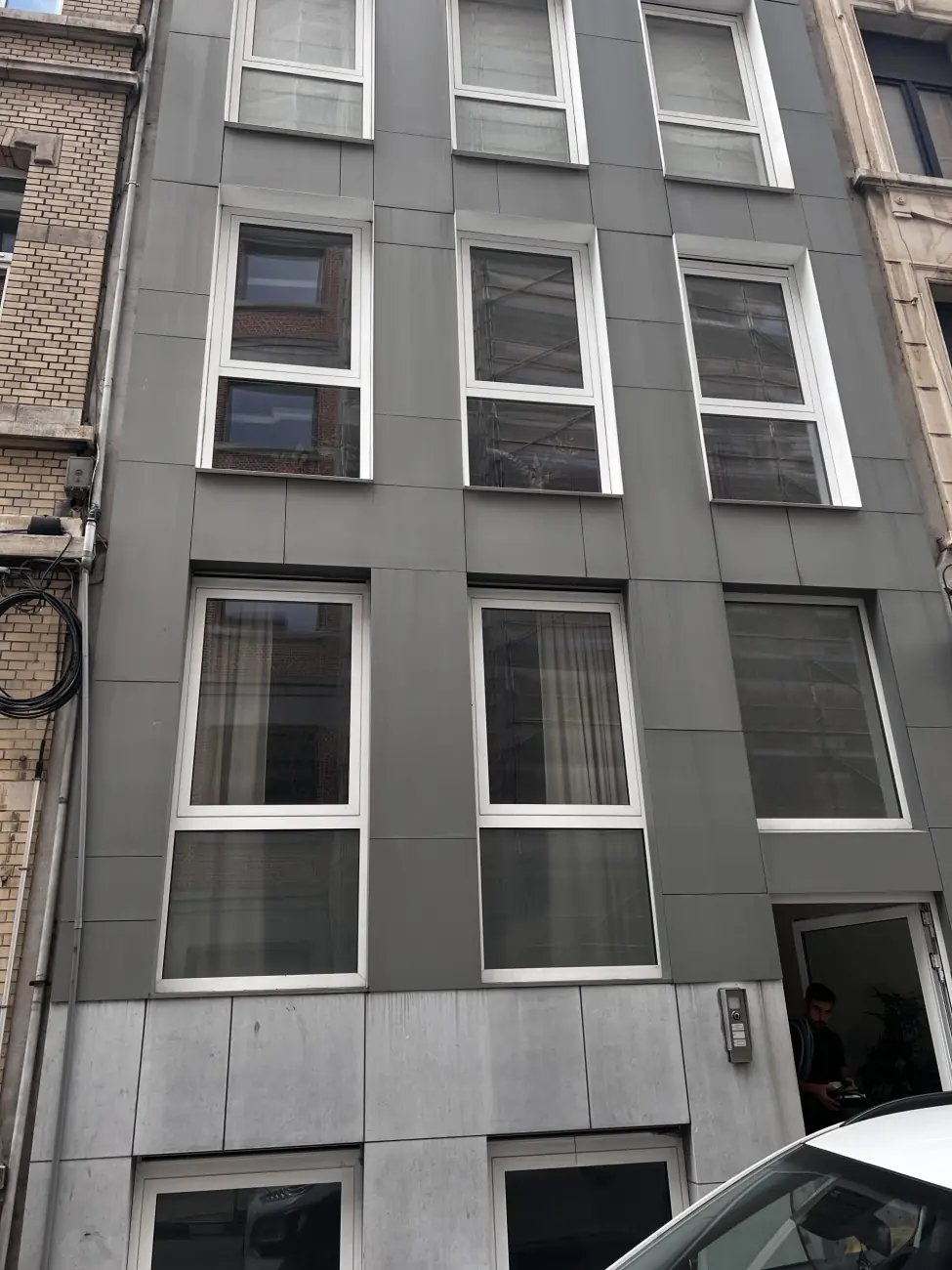
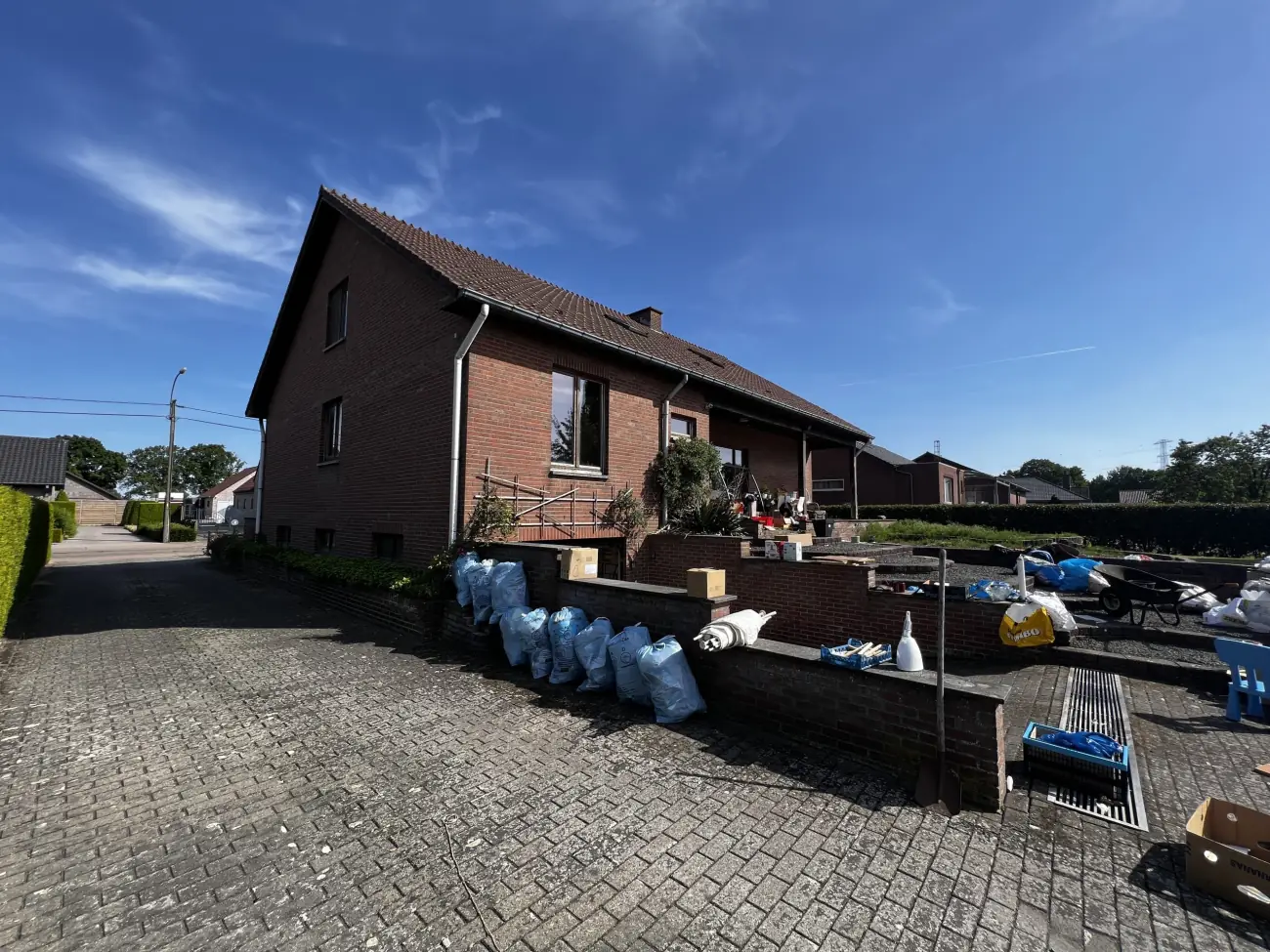
Cases with photos from the site itself: what was wet, which units were set up and how the drying went.
More about drying after water damage
After a leak
The equipment
- Desiccant dehumidifier
Dry air through ducts to the wet area.
- Axial fan
Keeps the air in the room moving.
Is air cushion drying right for your damage?
Tell us where the leak was, which surface is wet and how large the affected area is. We will discuss a suitable approach.